Preparing meals at home is one of those everyday routines that feels simple … until your pantry starts working against you. A well-stocked pantry can make weeknight dinners easier, help you throw together meals anytime, and keep grocery runs from feeling constant. But it’s also not uncommon to feel frustrated when you’re dealing with expired food, duplicate items, cluttered shelves, and wasted pantry space you can’t actually use.
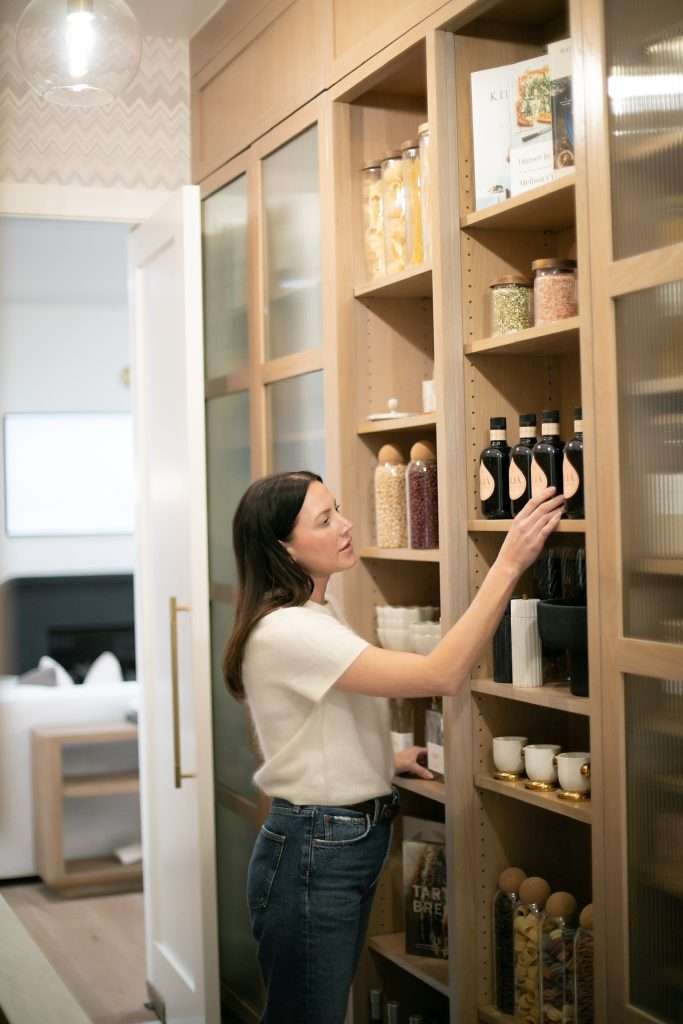
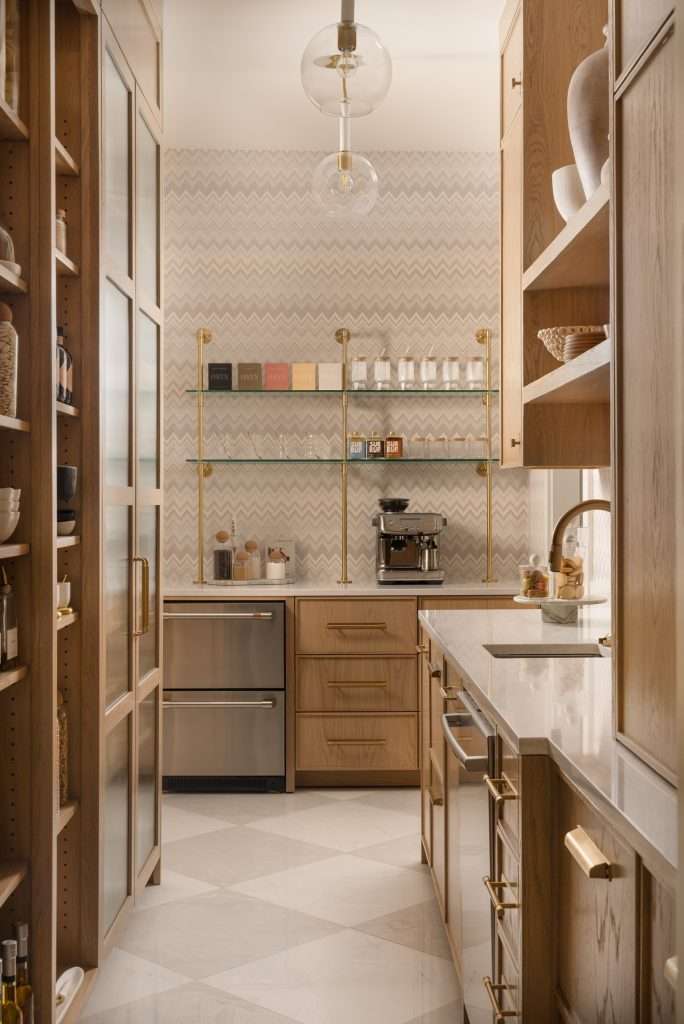
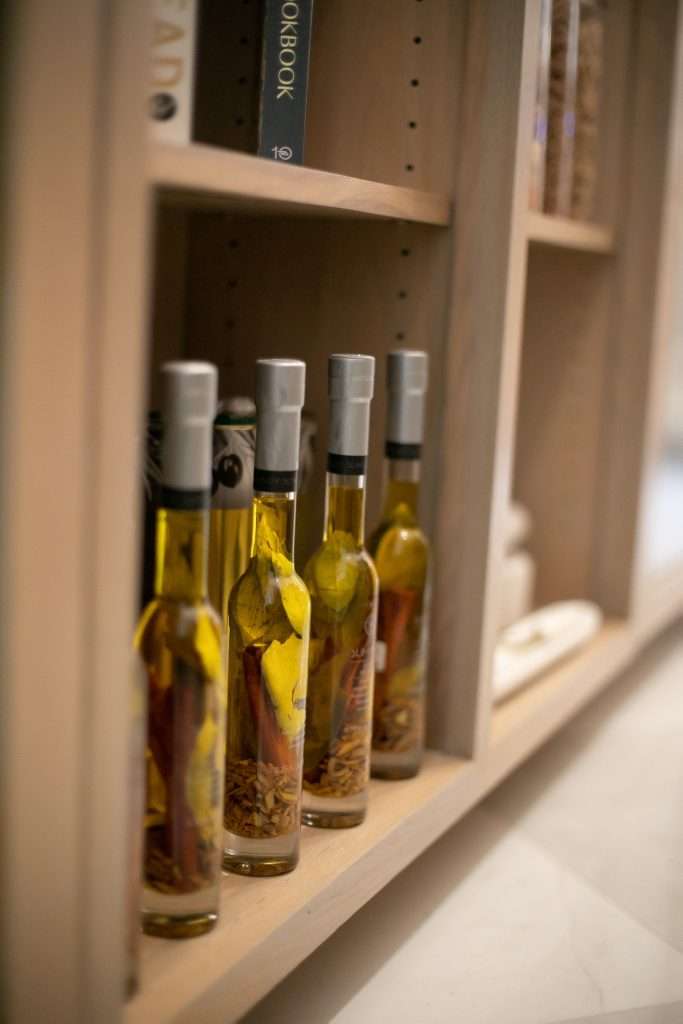
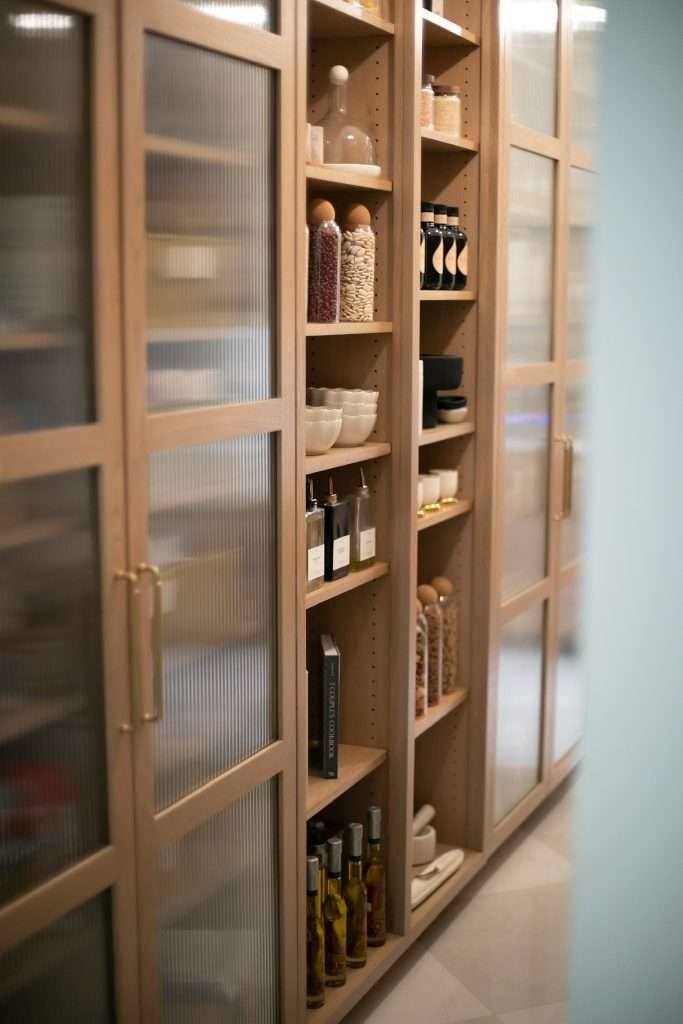
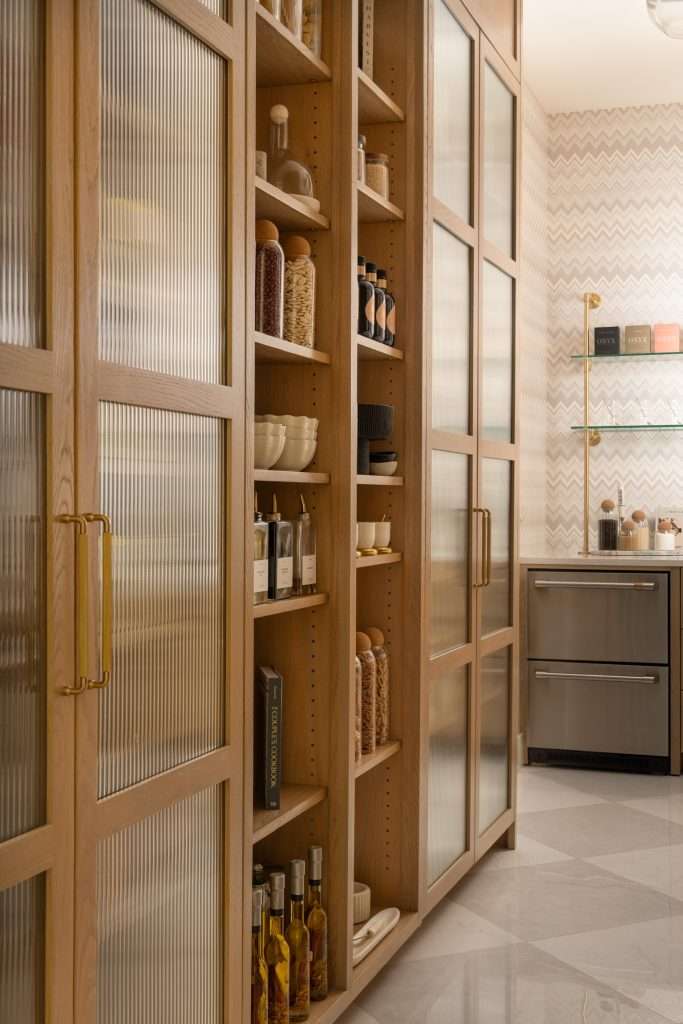
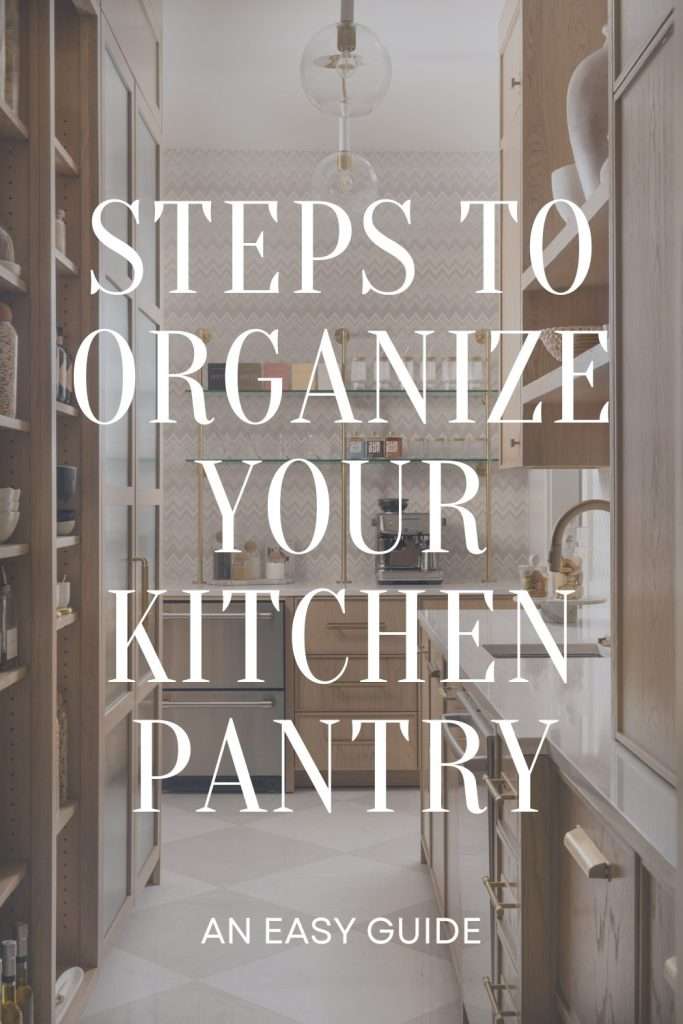
That’s why organizing pantries is about so much more than making it “look pretty.” A truly organized pantry saves money (because you stop buying what you already have), saves time (because meal planning and cooking move faster), and reduces food waste in a very real way. Today I’m sharing a complete guide on how to organize a kitchen pantry, and how to keep it easy to maintain, even when life gets busy. Today, I’m excited to share my aesthetic pantry that is function for my family of five.
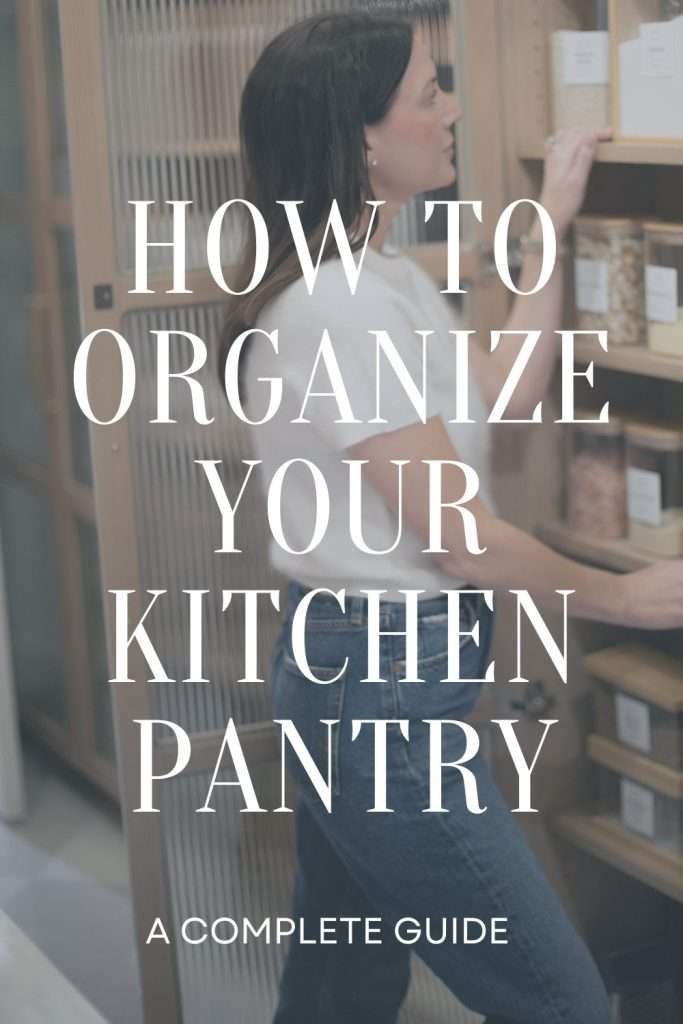
How To Organize Kitchen Pantry
Keeping your kitchen pantry organized comes with a ton of benefits: you’ll reduce food waste, make meal planning faster, maximize storage space, and create a kitchen that feels calmer and more functional. The biggest mindset shift is this: effective kitchen pantry organization is more about creating a functional system than perfect aesthetic styling.
Yes, clear containers and labels can be beautiful, but the goal is to build a pantry storage setup that’s intuitive, easy to clean, and designed around the way you actually cook. (The best systems are the ones you can keep up with on a normal Tuesday.)
What Is A Kitchen Pantry
A kitchen pantry is a designated space for storing dry goods and shelf-stable foods. For example, think grains, canned items, baking supplies, snacks, and everyday pantry staples. Pantries come in different styles: walk-in pantries, reach-in closets, tall cabinet pantries, pull-out pantry cabinets, or even a set of dedicated shelves.
No matter the style, a pantry “works” best when it’s organized by categories and zones, so you can quickly see what you have, grab what you need, and restock without creating clutter all over again. Be sure to check out all of my Amazon kitchen pantry organization essentials here.
Does A Kitchen Need A Pantry
Not every kitchen has a traditional pantry, but every kitchen benefits from having a centralized food storage system. A pantry creates one home base for shelf-stable items, which makes cooking and grocery shopping more efficient.
If you have a smaller kitchen (or limited storage), you can absolutely create pantry substitutes using cabinet zones, like one cabinet for canned goods, one for snacks, and one for baking. You can also use pantry storage items like stackable bins, pull-out drawers, and lazy susans to make standard cabinets function like a pantry. The “need” isn’t the pantry itself, rather, it’s the system.
What Goes In A Kitchen Pantry
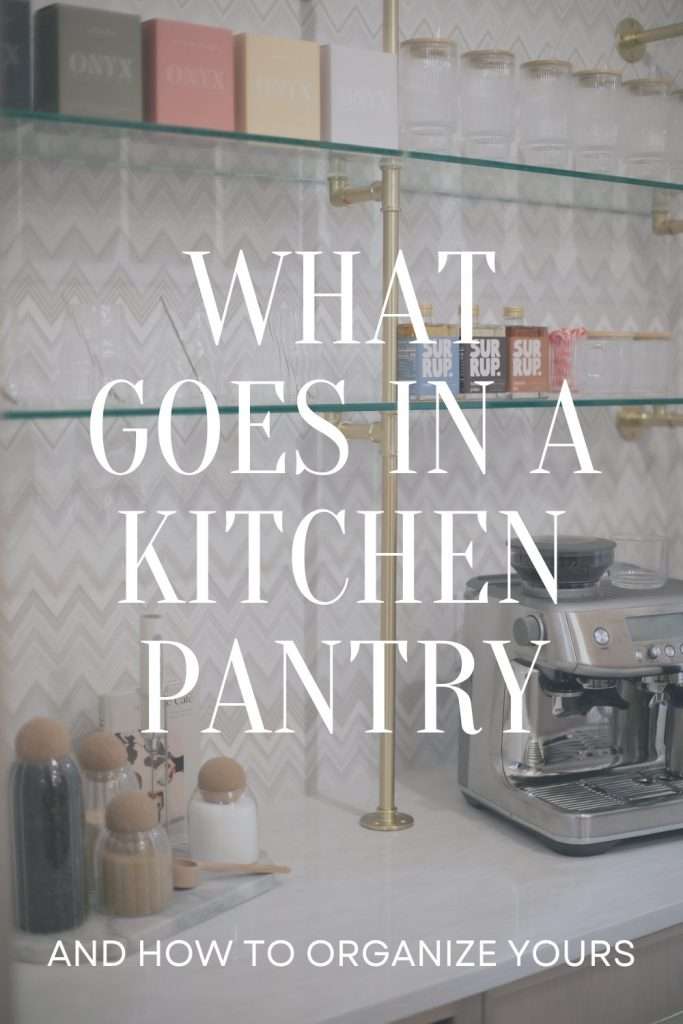
Here are common categories that typically belong in a kitchen pantry:
- Canned goods (beans, tomatoes, soups, tuna)
- Grains (rice, pasta, quinoa, oats)
- Baking supplies (flour, sugar, baking powder, chocolate chips)
- Oils and vinegars (olive oil, avocado oil, balsamic, rice vinegar)
- Nut butters and spreads (peanut butter, almond butter, jam, honey)
- Snacks (chips, crackers, granola bars, popcorn)
- Breakfast items (cereal, pancake mix, syrup)
- Spices and seasonings (if you store extras in the pantry)
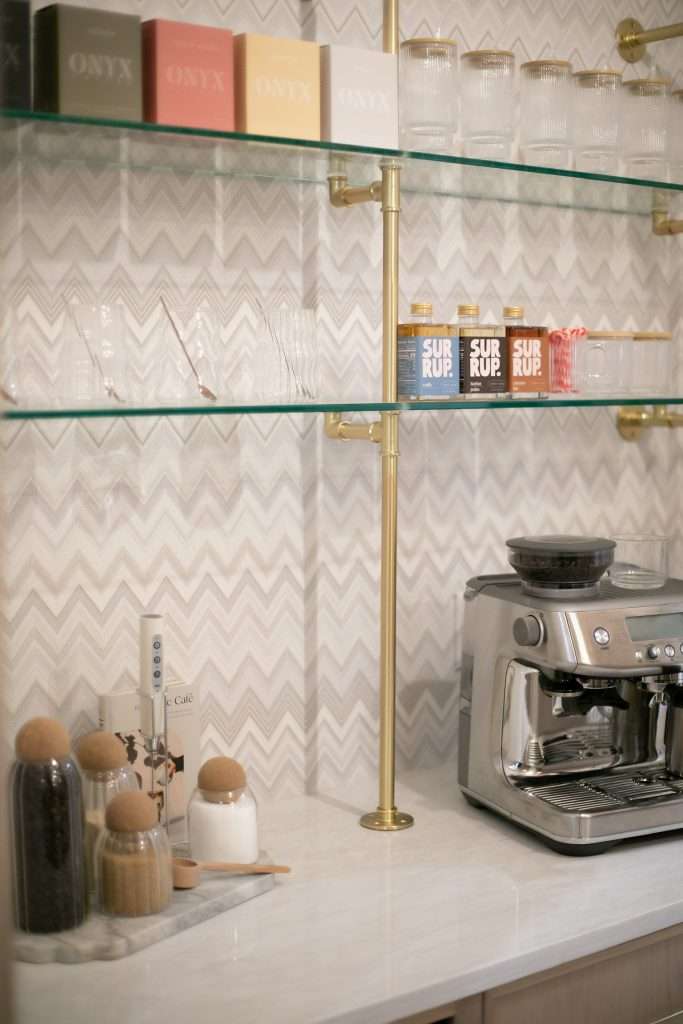
- Coffee and tea supplies
- Shelf-stable beverages (sparkling water, boxed broths)
- Sauces and condiments (soy sauce, hot sauce, marinades)
- Pantry staples for quick meals (broth, pasta sauce, canned veggies)
If something needs refrigeration after opening, it can still start in the pantry, just make sure you’re rotating it forward so it doesn’t get forgotten.
How To Arrange Kitchen Pantry
Step 1: Empty Everything Out
Start fresh by removing every single item. It feels like an extra step, but it’s the fastest way to truly reset your pantry storage.
- Pull everything out so you can see what you’re working with
- Wipe down shelves (this is the moment to make it easy to clean going forward)
- Check expiration dates as you go and set anything questionable aside
Once your pantry is empty, you can also take note of what’s not working: shelves that feel too tall to use, corners that become clutter zones, or items that always fall to the back.
Step 2: Declutter
Decluttering is where the “organized pantry saves money” part starts paying off.
- Toss expired items (especially open bags of flour, old spices, stale snacks)
- Donate unopened duplicates you know you won’t use soon
- Consolidate partially used packages (combine the two half-open pasta boxes into one)
If you’re overwhelmed, this is where professional organizers can be helpful because they’re great at helping you make quick decisions and create a system that fits your space. But you can absolutely do this yourself with one rule: if you wouldn’t cook with it this month, don’t keep it “just in case.”
Step 3: Categorize Items
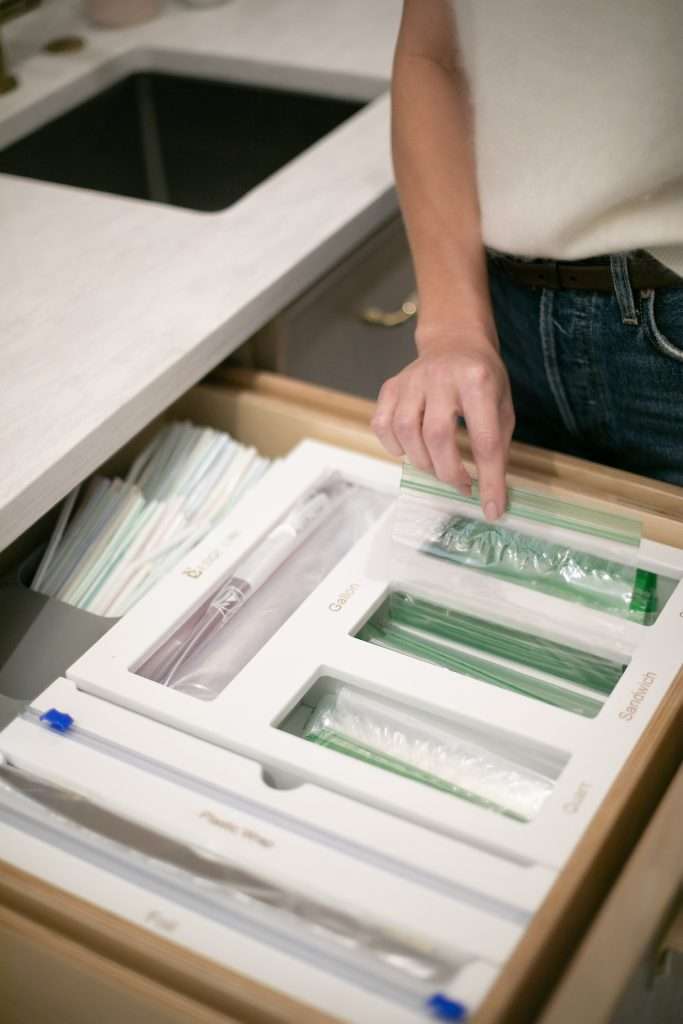
Now group similar items together so your pantry has clear zones. Categories are what make organizing pantries sustainable, because they reduce decision fatigue.
- Group similar items (all grains together, all baking together, all snacks together)
- Create functional zones based on how you cook (breakfast zone, weeknight dinner zone, lunch/snack zone)
A simple tip: keep your most-used pantry staples at eye level, and store backup items higher up or on lower shelves. This alone makes daily cooking feel easier.
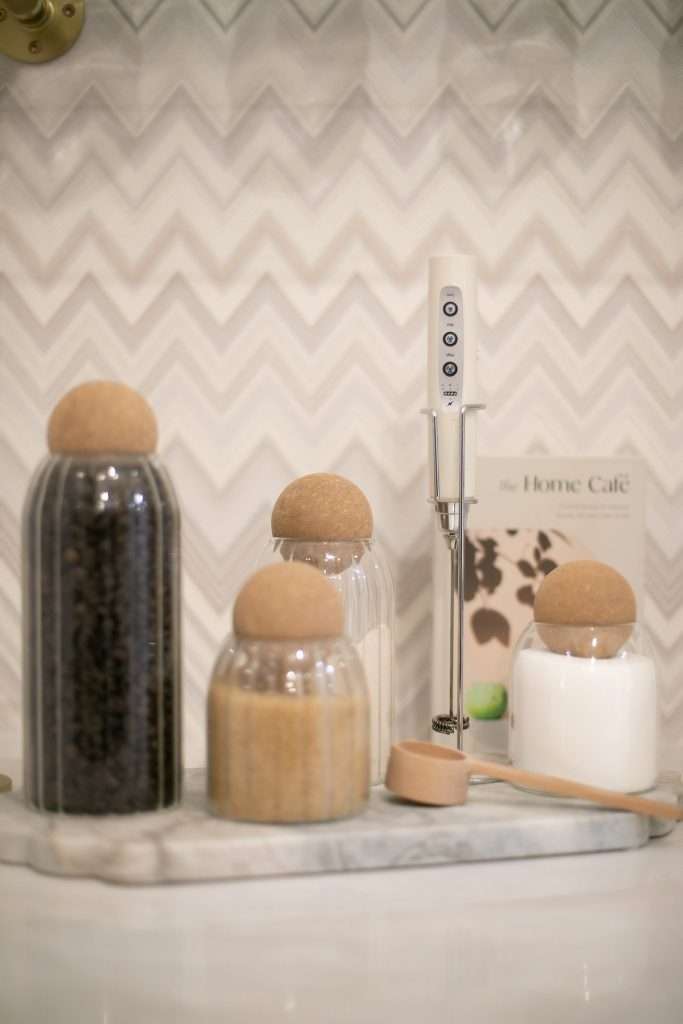
Step 4: Use Clear Containers
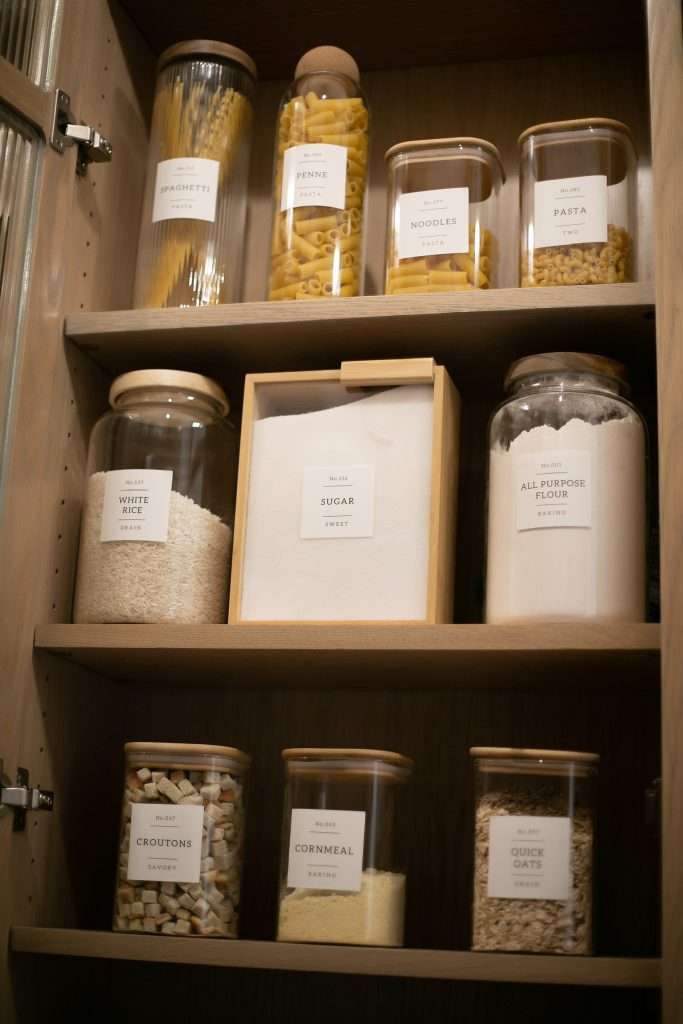
Clear containers are not just for looks, but they protect food, reduce mess, and make it obvious when you’re running low.
- Use airtight containers for flour and sugar (they stay fresher and prevent spills)
- Choose uniform containers for visual consistency and easier stacking
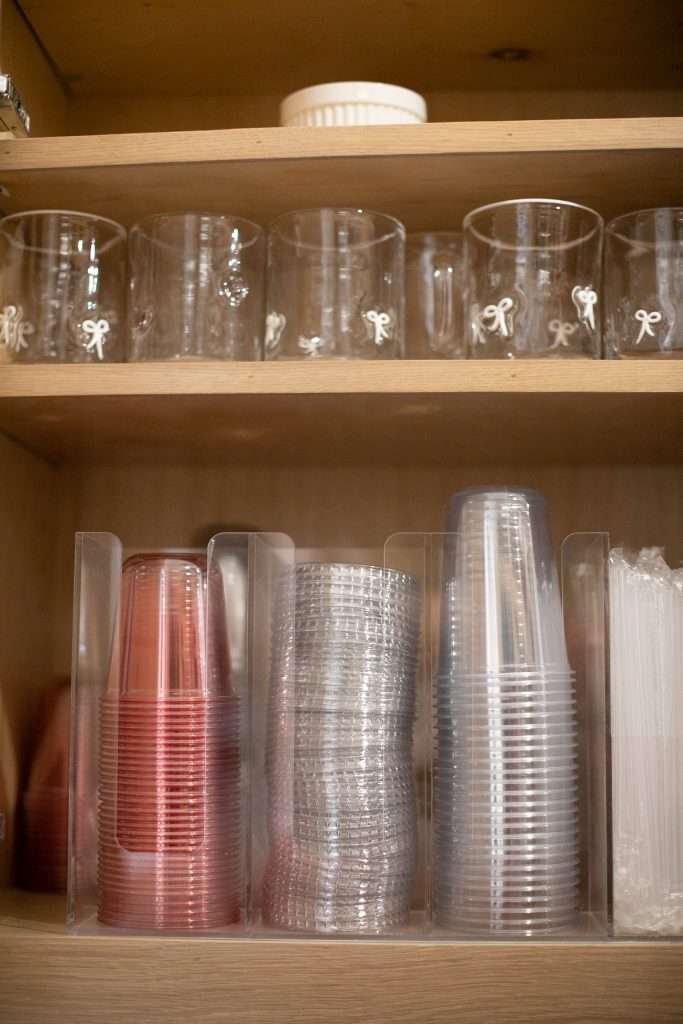
- Use stackable bins for small packets (taco seasoning, gravy mixes, ramen, instant oatmeal)
Clear, lidded bins also help create “zones within zones.” For example: one bin for sweet snacks, one for salty snacks, and one for kids’ grab-and-go options. They keep your pantry storage flexible without turning into clutter.
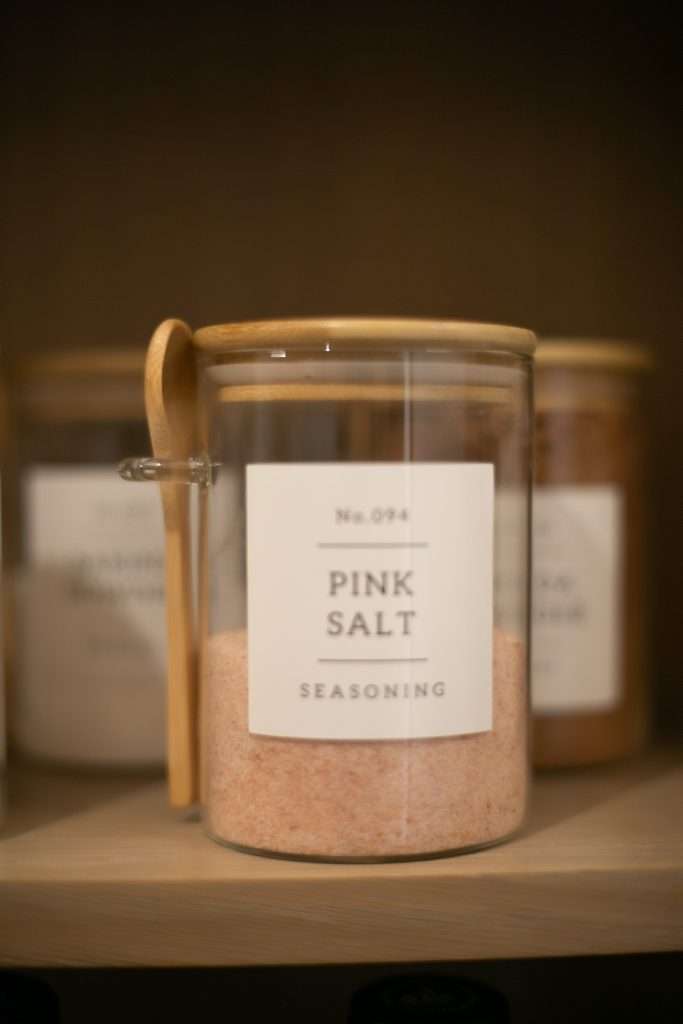
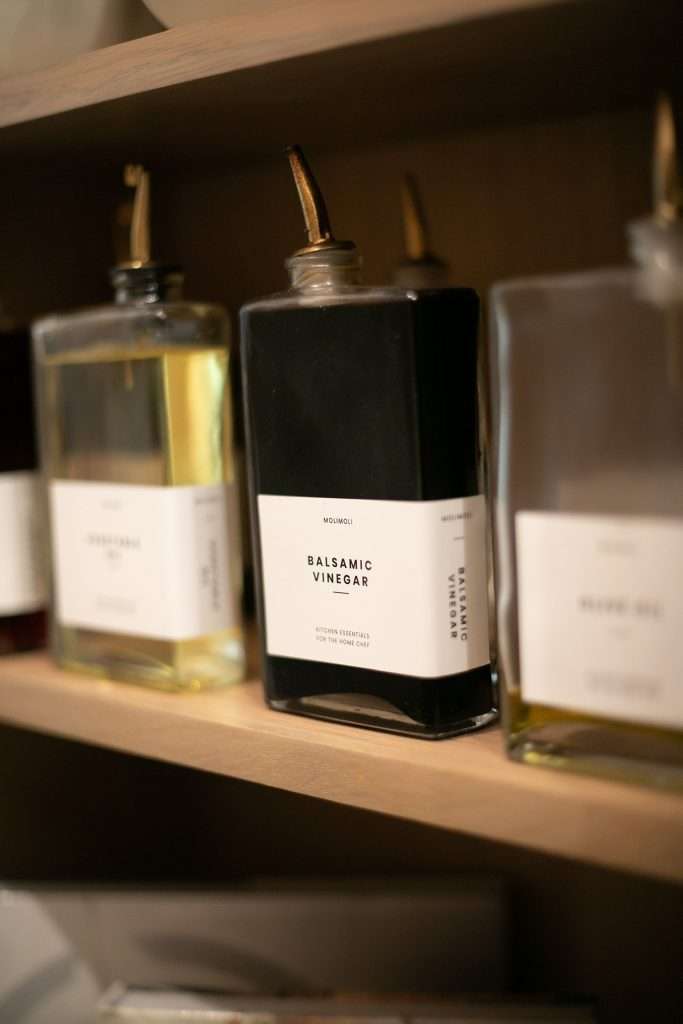
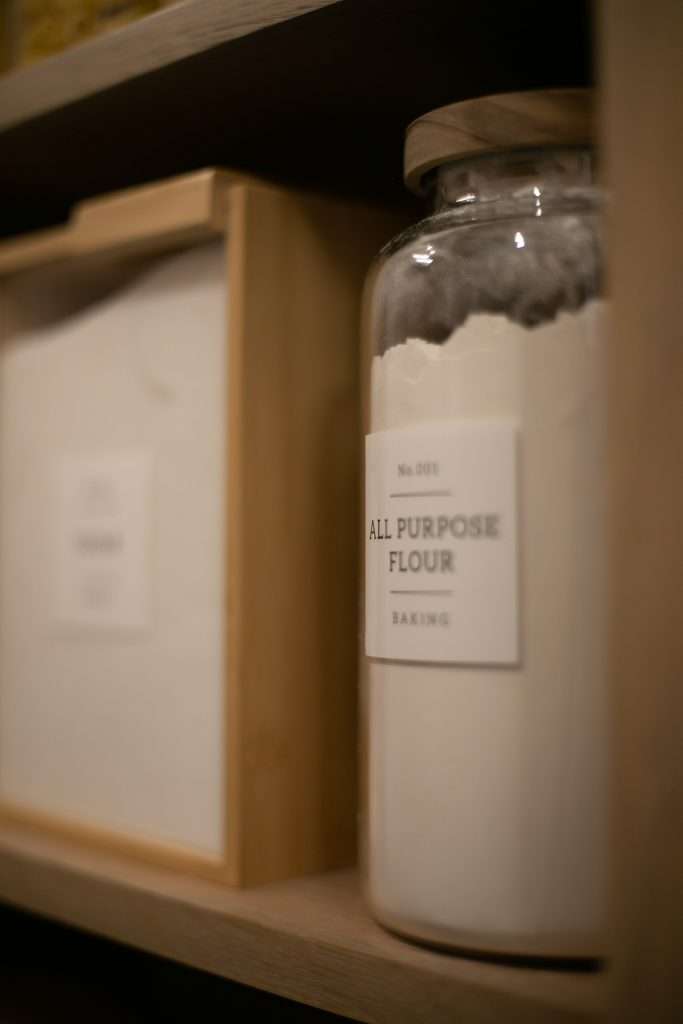
Step 5: Add Labels
Labels are what make the system maintainable, especially if multiple people use the pantry.
- Use printed labels for uniformity (clean, simple, and easy to update)
- Track expiration dates for items you decant (write dates on the bottom or side)
- Use front-facing labels so everything is quick to spot
This step is also where your pantry starts to feel calmer. You’re not guessing what’s in that container or digging through three shelves to find the breadcrumbs.
And if you love organizing in general, you might also enjoy my post on closet organization essentials—so many of the same principles apply (zones, labels, and creating an easy-to-maintain system).
Step 6: Maximize Vertical Space
Most pantries feel messy because the space isn’t being used efficiently. Vertical tools instantly fix that.
- Add shelf risers so cans and jars don’t hide behind each other
- Use under shelf baskets for wraps, napkins, or lightweight snacks
- Use lazy susans for corners (perfect for oils, sauces, nut butters, and vinegars)
- Add pull out drawers to lower shelves so items don’t get lost in the back
Lazy susans are one of my favorite “why didn’t I do this sooner” upgrades. They create visibility, prevent duplicates, and make the pantry feel organized without constant effort.
How To Keep Your Pantry Organized Long-Term
Once your pantry is arranged, the maintenance is what keeps it from sliding back into chaos. Here’s what helps the most:
- Do a 5-minute reset once a week. Put stray items back into their zones and wipe obvious spills.
- Use the “one in, one out” rule. When you open something new, recycle the empty container or toss the finished package immediately.
- Keep a small “use first” bin. Place items that are close to expiring at the front so they’re top of mind.
- Restock with intention. If something constantly overflows, you may be buying too much—or the zone needs a better container.
- Prioritize systems that are easy to clean. If the setup is fussy, it won’t last. Choose bins and containers you can wipe quickly.
The goal is a pantry that supports your daily life, where pantry staples are easy to find, grocery shopping is more efficient, and you’re not wasting food or space. When your pantry storage works, the whole kitchen feels easier to use.
Kitchen Organization Essentials
Don’t forget to pin to save for later!
Be sure to check out my most recent posts for more style and home inspiration!
- Chic April Outfits to Recreate
- spring travel Capsule wardrobe
- Lace Skirt Outfit Ideas
- What To Wear To Dinner With Friends
- Paris Spring Outfits
Please feel free to email me at thegraydetails@gmail.com if you have any questions! I’m always happy to help with styling or picking out a specific outfit for an event! Have an amazing day!!
Also, check out my instagram shop HERE to shop all my instagram looks, style guides, gift guides and fashion tips.
You can also download the free LIKETOKNOW.IT app and follow me HERE.
STAY IN THE KNOW: Don’t forget to sign up for my exclusive Newsletter for STYLE TIPS, SALE ALERTS, AND MUCH MORE!
As always, thank you so much for stopping by today, I truly appreciate all of you! xx, Amanda
FOLLOW ALONG
Instagram | Pinterest | Facebook | Shop Instagram | You Tube