Interior Design Finishing Touches
One thing I did not fully appreciate until we finished remodeling our home was how much the smallest details would shape the way each room felt. We had already chosen the warm wood, marble, reeded finishes, and clean lines that define my organic modern style, but the rooms still needed that final layer. Adding soft textiles, meaningful objects, layered lighting, and natural elements brought warmth and personality into the spaces and made our newly remodeled house truly feel like home.
Why Finishing Touches Matter in Interior Design

The last layer can completely change a room. Without it, even a beautiful space can feel flat or staged.
They Pull the Look Together
Finishing touches create subtle connections between the main elements in a room. A warm wood frame can echo the cabinetry, while a marble tray can relate to a countertop. Repeating a color, finish, or texture helps the entire room feel cohesive without making it look overly matched.
During our remodel, I was very intentional about carrying certain materials from one space to another. Warm wood tones, reeded glass and woodwork, soft stone, and layered neutrals created continuity. Once I added accessories that repeated those elements, the rooms began to feel connected.
They Add Personality
Furniture gives a room function, but books, art, collected pieces, and meaningful objects make it feel like your home. For me, personality does not mean bright color or a lot of decor. I prefer ivory, oat, greige, stone, and warm wood, with character coming from a ceramic bowl, an interesting branch, linen, or a piece with a story.
They Make a Room Feel Finished, Not Staged
A finished room should still be easy to live in. I love a polished space, but I never want our home to feel too perfect to use. A throw on a chair, books on the coffee table, or a tray holding everyday pieces adds that relaxed quality.
How To Choose the Right Finishing Touches

Before buying more decor, ask what the room is missing: softness, contrast, height, warmth, or something personal. Starting with a purpose creates a more collected look.
Match Your Existing Style and Colors
Choose details that support the materials and palette already in the room. Because my style is organic modern, I naturally gravitate toward oak, linen, stone, ceramic, plaster, and woven fibers. These materials work beautifully with the clean lines and soft curves used throughout our remodel.
I also take inspiration from old money interior design, especially its use of quality materials and pieces that look collected over time. The goal is not to make everything match. It is to make each choice feel as though it belongs.
Balance Texture and Scale
Texture is especially important in a neutral room. Mixing marble with warm wood, smooth plaster with woven fibers, or crisp linen with a softer wool keeps a quiet palette from feeling flat.
Scale matters, too. A tiny lamp can look lost on a large console, while too many small accessories feel busy. I prefer fewer, larger pieces because they create more impact and calm.
Edit Until It Feels Curated

Styling is often about removing, not adding. After placing accessories, I step back and look at the room as a whole. If my eye does not know where to rest, I take something away.
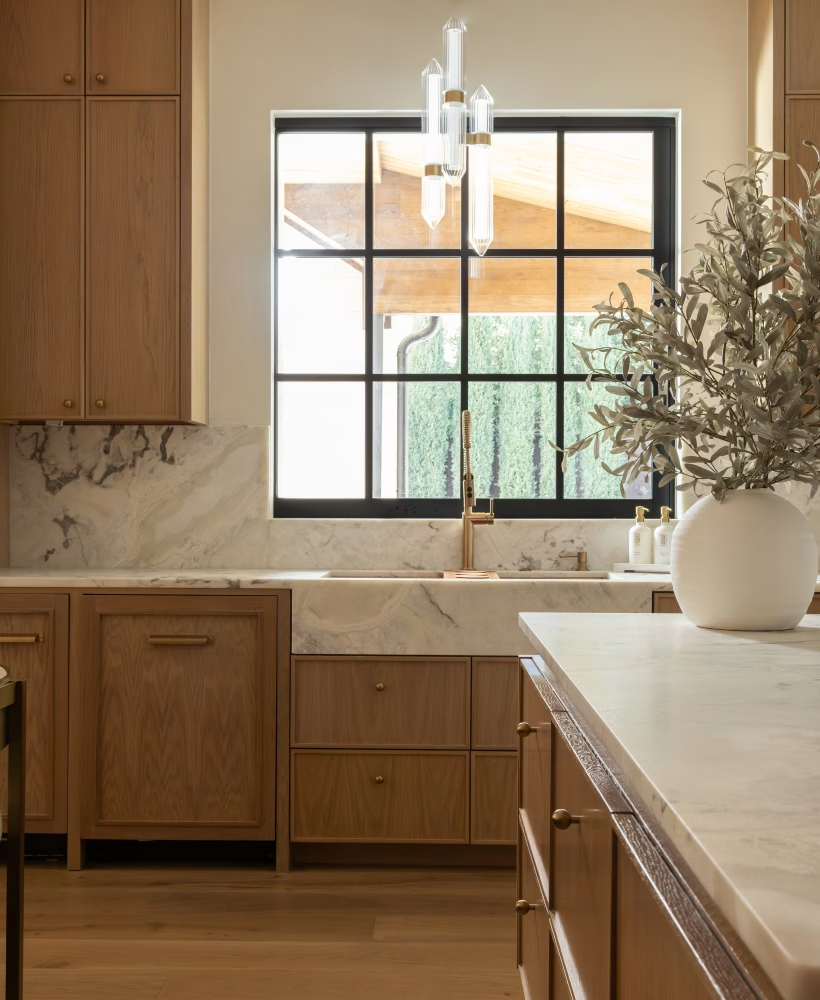
During the remodel, we made thoughtful choices such as integrated appliances and a galley sink to keep the kitchen feeling streamlined. I wanted the styling to continue that same sense of calm, so I kept the counters edited and used only a few objects with texture or meaning.
Finishing Touches That Make the Biggest Difference
These are the finishing touches I return to most often. Each adds a useful layer without overwhelming the space.
Layered Lighting


Layered lighting immediately makes a room feel warmer. Instead of relying only on an overhead fixture, combine pendants, sconces, floor lamps, table lamps, and under-cabinet lighting.
Lighting was an important part of our remodel. In the kitchen, pendants and under-cabinet lights create a softer atmosphere in the evening and highlight the marble and reeded details. I also keep the bulb temperature consistent so the rooms feel connected.
Throw Pillows and Textiles

Pillows, throws, curtains, and upholstered accents add softness to the harder surfaces in a room. In an organic modern space, linen, wool, and nubby woven textures bring warmth while keeping the palette calm. I like to mix a few tonal shades and textures instead of using a perfectly matched set.
Area Rugs


An area rug anchors furniture, adds softness, and can define zones within an open floor plan. In a living room, it should sit beneath at least the front legs of the main seating pieces so everything feels connected.
Art and Wall Decor


Art adds personality and gives the eye a focal point. I prefer pieces that feel meaningful and complement the mood of the room rather than art chosen only to fill a blank wall. Pay close attention to scale and placement; art should relate to the furniture beneath it and should not hang too high.
Mirrors


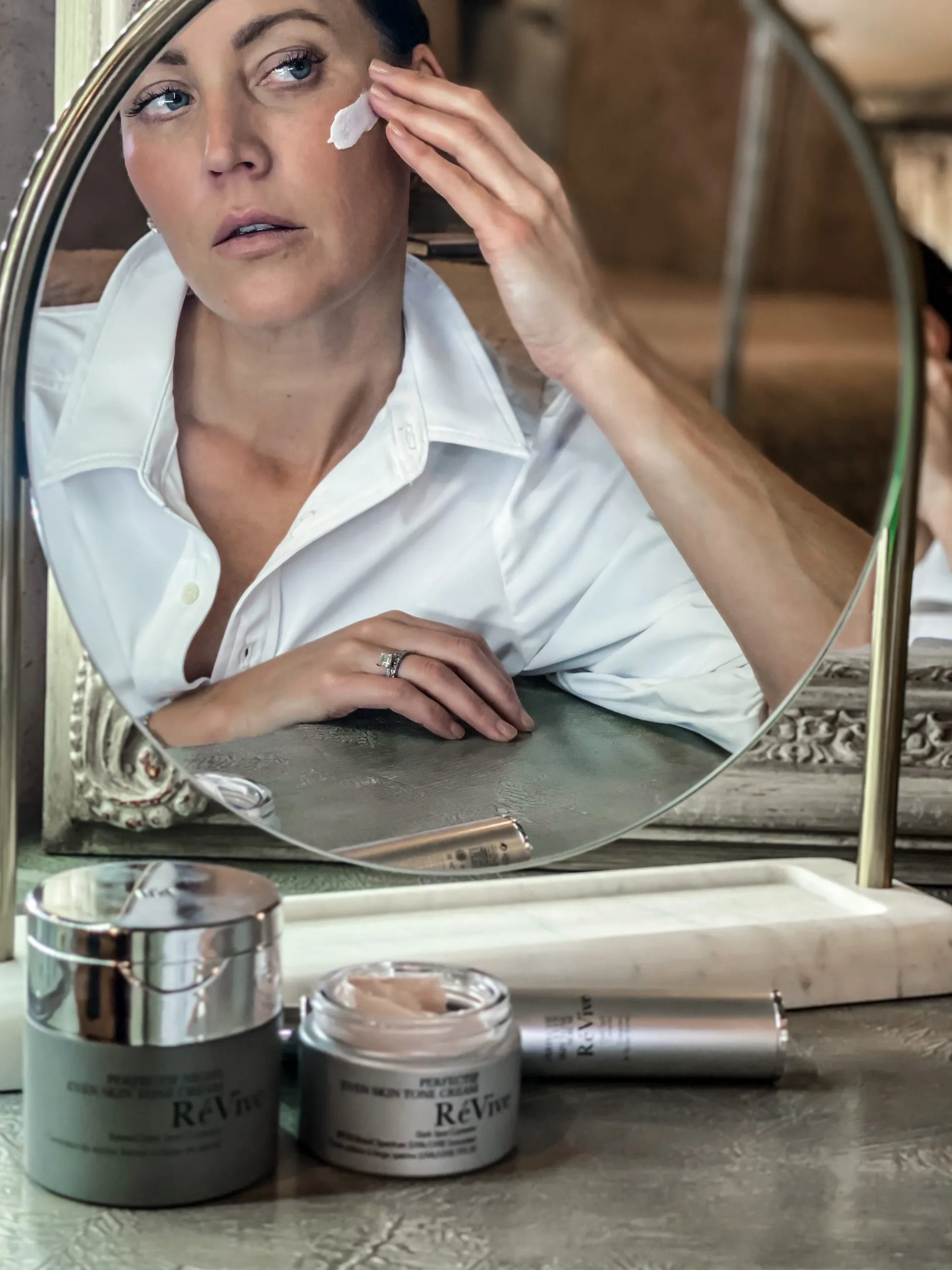
Mirrors reflect natural light and make a room feel more open. They are especially helpful in an entry, powder room, or darker corner. A softly curved or simply framed mirror works beautifully in an organic modern home because it adds shape while still feeling clean.
Plants and Greenery


Greenery introduces life and an organic element. A tall tree can fill an empty corner, while a simple branch arrangement works well on an island or coffee table. I prefer one intentional arrangement over several small plants scattered throughout a room.
Decorative Trays and Coffee Table Styling

Trays make everyday items feel organized and intentional. For a coffee table, I usually start with a few books, add an object with height, and finish with something organic, such as a branch or a small ceramic bowl. I always leave open space so the table remains functional.
These simple details are also an important part of how to make home look more expensive. Thoughtful scale, natural materials, and edited surfaces often look more elevated than simply adding more decor.
Finishing Touches To Avoid
The easiest way to make a beautiful room feel off is to over-clutter every surface. When each shelf, table, and counter is filled, individual pieces lose their impact. Leave breathing room around what you love.
Be careful with too many competing patterns as well. Patterns can work together, but they should share a color or mood and vary in scale. Finally, avoid decor that is too small or too large for the furniture around it. Fewer, properly scaled pieces usually create a more polished result.
After remodeling our home, I have a new appreciation for how much the last layer matters. The major design decisions created the foundation, but the finishing touches made the rooms feel personal. By repeating natural materials, adding soft texture, layering the lighting, and editing each surface, I was able to create the warm, organic modern feeling I wanted—clean and elevated, but still comfortable enough for everyday life.